It started with Fine Art.
My design instincts didn't come from a UX bootcamp. They came from years studying Fine Art, learning to look carefully, compose deliberately, and understand how visual choices carry meaning. I spent years training my eye before I ever thought about user flows.
That visual education is still the engine behind everything I make. The way I approach white space, hierarchy, and restraint in a UI comes directly from the same principles I learned drawing and painting. Good design, like good art, is mostly about knowing what to leave out.

Then came Pastry Arts.
After Fine Art, I trained as a Pastry Chef. If art taught me how to see, the kitchen taught me how to execute. Pastry is the most unforgiving discipline in cooking: the chemistry matters, the timing matters, the presentation matters, and none of it is negotiable. You can't eyeball a soufflé.
That precision is something I brought directly into product design. The same attention to detail that kept my ganache from breaking is what keeps my design systems consistent. The same discipline that made me prep every component the night before is what makes me think about edge cases before engineers ask about them.
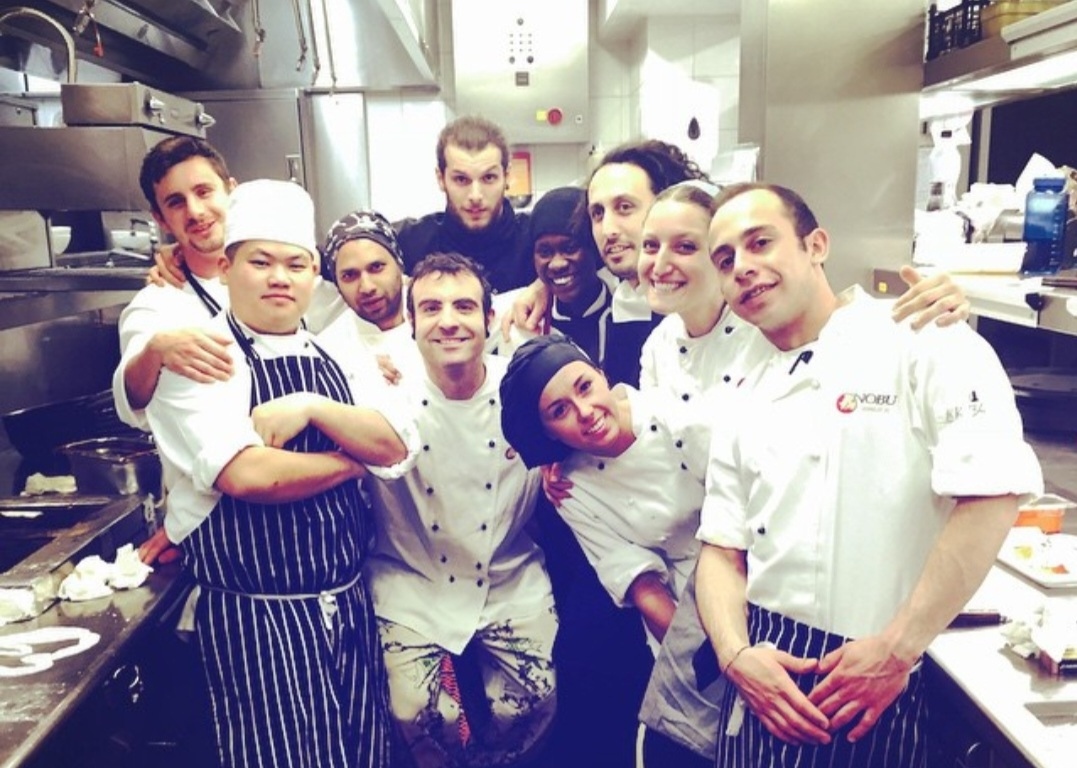
Working the line at Nobu.
My most formative professional experience was working as a Pastry Chef at Nobu. Nobu isn't just a restaurant. It's a global brand with an obsessive standard for quality, and working there meant operating at a level of craft and consistency that most people never encounter professionally.
What Nobu taught me above all else was that the guest experience is the product. Every detail, every plate, every interaction was designed to make someone feel something. That's exactly what I bring to product design today: the conviction that how something makes a person feel is just as important as what it does.
"The best kitchens, like the best product teams, obsess over the experience from the user's point of view. Not what was easy to make. What was worth eating."
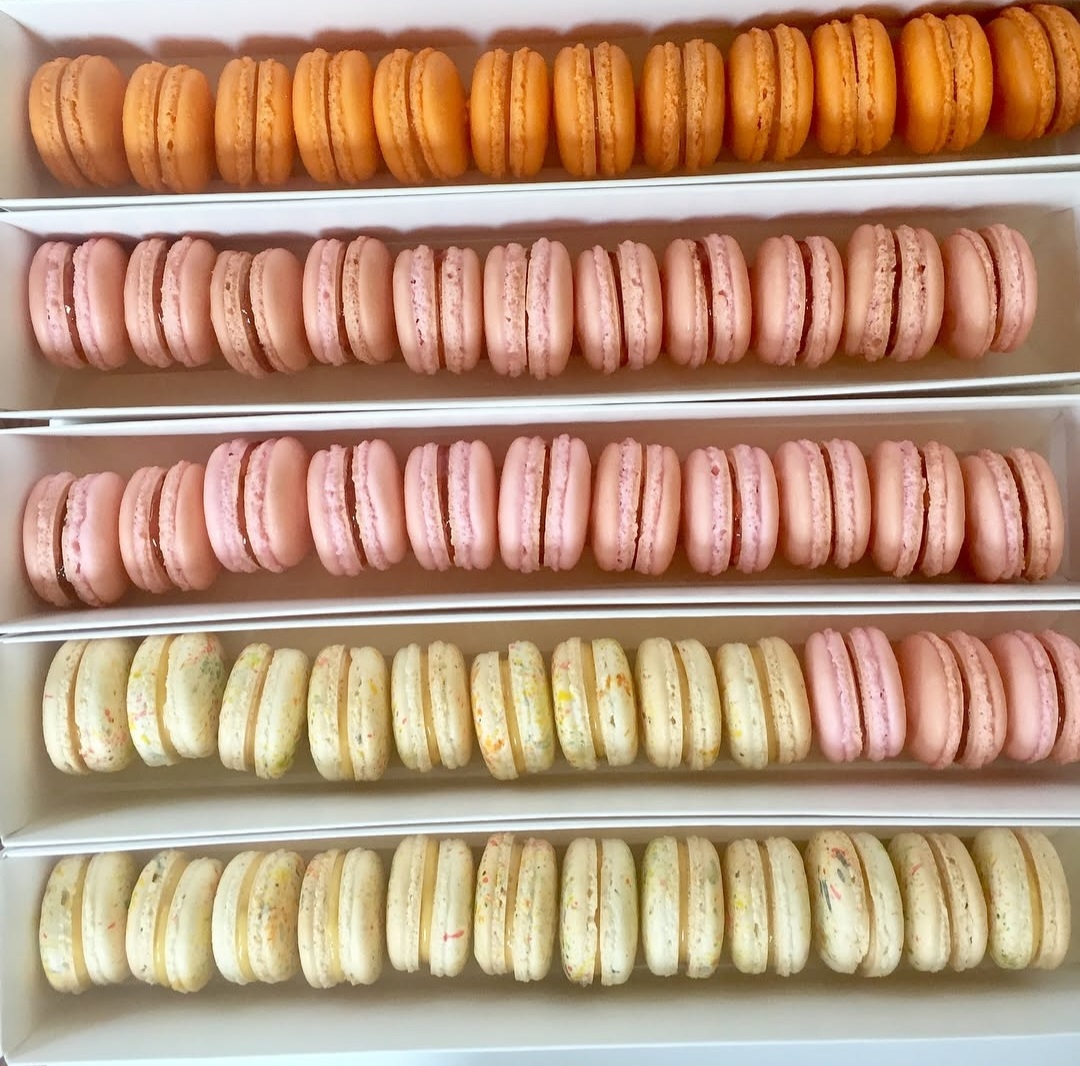
Building something from scratch.
After working in restaurants, I ran my own culinary business. That meant wearing every hat simultaneously: product developer, brand designer, marketer, salesperson, and operator. It was the first time I understood what it meant to own something end-to-end, to feel the full weight of a product decision, and to be accountable to real customers.
That entrepreneurial experience is what gives me a different perspective as a designer. I don't just think about screens. I think about the whole product. The business model, the customer lifecycle, the operational implications of a design choice. Running a business made me a better PM, and being a PM made me a better designer.
From the kitchen to the dashboard.
The move into product design wasn't random. I had always been drawn to the problem-solving side of running a business, to the question of why people make the choices they do and how to design for those choices better. When I discovered UX, it felt like finding the right name for something I had already been doing.
Today I'm Principal Product Designer and Dashboard PM at Nylas, working on a platform used by thousands of developers worldwide. The ingredients have changed. The craft hasn't. I still show up every day trying to make something worth experiencing.